After Cerebral Hemorrhage: Sequelae - السكتة الدماغية Center
Cerebral hemorrhage is a common disease and a disease with extremely high disability and fatality rate. It usually refers to the sudden rupture of blood vessels in the brain, rapidly forming local hematomas, squeezing the surrounding brain tissue, and producing corresponding clinical symptoms or signs. . The elderly are the main affected population of the disease, generally 40-70 years old is the main age of the disease.
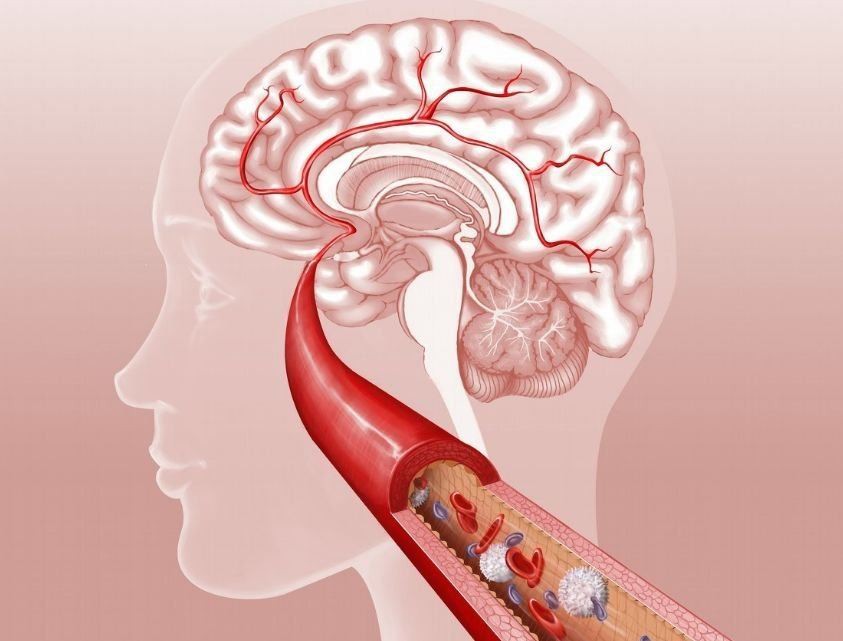
The sequelae
1. الشلل النصفي: It is specifically manifested as the loss of muscle strength of one limb, poor activity or complete inability to move, often accompanied by sensory disturbances of the ipsilateral limb, such as cold and heat, pain, etc., or completely unknown. Sometimes it can be accompanied by a defect of the visual field on the same side.

2. Mental and intellectual disorders: a large-scale or multiple recurrence of cerebral hemorrhage accidents may leave mental and intellectual disorders: such as personality changes, negative pessimism, depression, mental atrophy, irritability, etc.

3. Aphasia: Patients with motor aphasia are able to understand other people’s words, but unable to express their own meaning; patients with sensory aphasia have no language barriers, but can’t understand other people’s words or their own words; patients with naming aphasia are able to tell its purpose, but unable to name it when they see an object.

4. Other symptoms: headache, dizziness, nausea, dementia, depression, loss of appetite, etc.