Repetitive strain injury (RSI) is a prevalent condition that affects millions of people worldwide, often leading to hand paralysis and significant impairment in daily activities. As a supplier of robotic gloves designed for hand paralysis, I am frequently asked whether our products can be effectively used to address RSI-related hand paralysis. In this blog post, I will explore this question in depth, examining the underlying causes of RSI, the functionality of our robotic gloves, and the potential benefits they offer for individuals suffering from RSI-related hand paralysis.
Understanding Repetitive Strain Injury
Repetitive strain injury is a term used to describe a group of musculoskeletal disorders caused by repeated movements, forceful exertions, vibrations, mechanical compression, or sustained or awkward postures. These factors can lead to inflammation, pain, and damage to the muscles, tendons, ligaments, nerves, and other soft tissues in the hands, wrists, arms, shoulders, and neck. Common symptoms of RSI include pain, numbness, tingling, weakness, and reduced نطاق الحركة in the affected areas.
RSI is particularly common among individuals who perform repetitive tasks for extended periods, such as office workers, factory workers, musicians, athletes, and gamers. The risk of developing RSI increases with factors such as the intensity and duration of the repetitive activity, the use of improper techniques or equipment, and individual susceptibility. If left untreated, RSI can lead to chronic pain, disability, and a significant reduction in quality of life.
The Impact of RSI on Hand Function
The hands are one of the most commonly affected areas in RSI due to their high level of dexterity and the frequent use of fine motor skills in many occupations and activities. RSI-related hand paralysis can occur when the muscles, tendons, or nerves in the hands are damaged or inflamed, leading to weakness, loss of coordination, and difficulty performing simple tasks such as grasping, holding, and manipulating objects.
In severe cases, RSI-related hand paralysis can significantly impair an individual's ability to work, perform daily activities, and maintain their independence. This can have a profound impact on their physical, emotional, and social well-being, as well as their financial stability. Therefore, finding effective treatment options for RSI-related hand paralysis is essential to improving the quality of life for affected individuals.
Robotic Gloves for Hand Paralysis: How They Work
Our robotic gloves are innovative devices designed to assist individuals with hand paralysis in regaining control and function of their hands. The gloves are equipped with advanced sensors, actuators, and control algorithms that work together to provide targeted assistance and support to the hand muscles and joints.
The sensors in the robotic gloves detect the movement and position of the hand, allowing the device to adapt to the user's specific needs and preferences. The actuators, which are typically small motors or pneumatic cylinders, provide the necessary force and support to move the fingers and wrist. The control algorithms analyze the data from the sensors and adjust the movement and force of the actuators in real-time, ensuring a smooth and natural نطاق الحركة.
The robotic gloves can be customized to meet the specific needs of each individual, with adjustable settings for force, speed, نطاق الحركة, and training programs. This allows the user to gradually increase the intensity and duration of their إعادة التأهيل sessions as their strength and function improve.
The Potential Benefits of Robotic Gloves for RSI-Related Hand Paralysis
There are several potential benefits of using our robotic gloves for RSI-related hand paralysis. First and foremost, the gloves can provide targeted assistance and support to the affected hand muscles and joints, helping to reduce pain, inflammation, and stiffness. By providing a controlled and repetitive نطاق الحركة, the gloves can also help to improve blood circulation and promote tissue repair in the damaged areas.
In addition, the robotic gloves can be used as a إعادة التأهيل tool to help individuals with RSI-related hand paralysis regain strength, coordination, and flexibility in their hands. The gloves can be programmed to perform a variety of exercises and tasks, such as gripping, pinching, and releasing, which can help to improve the user's motor skills and functional abilities. The gloves can also provide feedback on the user's performance, allowing them to track their progress and adjust their training programs accordingly.
Another potential benefit of using our robotic gloves is that they can be used in the comfort of the user's own home, which can be more convenient and cost-effective than traditional إعادة التأهيل therapies. The gloves are easy to use and can be worn for extended periods without causing discomfort or irritation. This allows the user to incorporate إعادة التأهيل into their daily routine, which can help to improve their adherence to the treatment program and achieve better outcomes.
Case Studies: Real-Life Results
To illustrate the potential benefits of using our robotic gloves for RSI-related hand paralysis, let's take a look at some real-life case studies.
Case Study 1: John, a 45-Year-Old Office Worker
John had been working as an office worker for over 20 years, spending long hours typing on a keyboard and using a mouse. He began to experience pain and numbness in his hands and wrists, which gradually worsened over time. He was diagnosed with RSI and was advised to take a break from work and undergo العلاج الطبيعي. However, despite several months of treatment, his symptoms did not improve significantly.
John decided to try our robotic gloves as a last resort. He started using the gloves for 30 minutes a day, five days a week, in addition to his regular العلاج الطبيعي. After just a few weeks of using the gloves, John noticed a significant reduction in his pain and numbness. He also had more strength and coordination in his hands, which allowed him to perform his work tasks more easily. After three months of using the gloves, John was able to return to work full-time without any pain or discomfort.
Case Study 2: Sarah, a 32-Year-Old Gamer
Sarah was an avid gamer who spent several hours a day playing video games. She began to experience pain and weakness in her hands and fingers, which made it difficult for her to hold a controller and perform complex movements. She was diagnosed with RSI and was advised to stop gaming and rest her hands. However, Sarah found it difficult to give up gaming, as it was her favorite hobby.
Sarah decided to try our robotic gloves to see if they could help her continue gaming without causing further damage to her hands. She started using the gloves for 20 minutes a day, three days a week, while playing her favorite games. After a few weeks of using the gloves, Sarah noticed a significant improvement in her hand strength and coordination. She was able to play games for longer periods of time without experiencing pain or discomfort. Sarah continues to use the gloves regularly to maintain her hand function and prevent further injury.
Conclusion
In conclusion, our robotic gloves for hand paralysis have the potential to be an effective treatment option for individuals suffering from RSI-related hand paralysis. The gloves can provide targeted assistance and support to the affected hand muscles and joints, helping to reduce pain, inflammation, and stiffness. They can also be used as a إعادة التأهيل tool to help individuals regain strength, coordination, and flexibility in their hands.
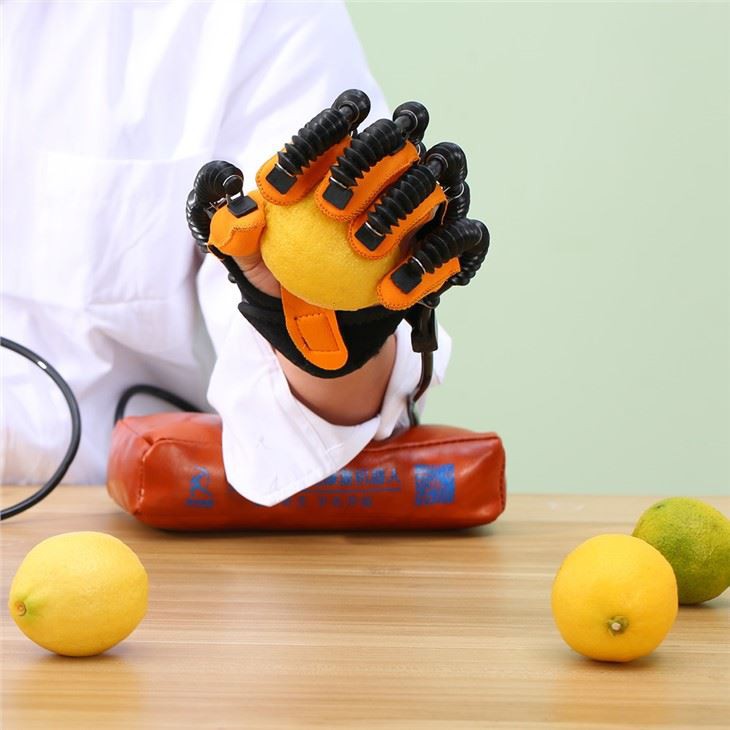
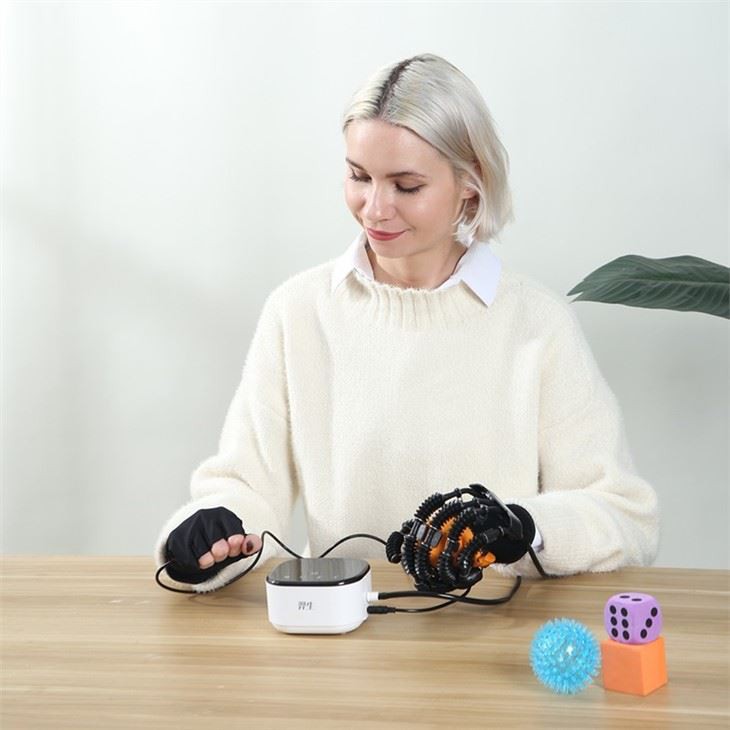
If you or someone you know is suffering from RSI-related hand paralysis, I encourage you to consider our robotic gloves as a potential treatment option. Our Hand Finger إعادة التأهيل Device and Dysfunction Recovery Hand Robotic إعادة التأهيل Device are designed to provide the highest level of performance and functionality, and our team of experts is available to provide you with personalized support and guidance throughout your treatment.
In addition, we also offer a Foot Drop Brace for individuals suffering from foot drop, another common condition that can be caused by nerve damage or muscle weakness. Our foot drop brace is designed to provide support and stability to the foot and ankle, helping to improve walking ability and reduce the risk of falls.
If you are interested in learning more about our products or would like to discuss your specific needs and requirements, please do not hesitate to contact us. We look forward to the opportunity to help you regain control and function of your hands and improve your quality of life.
References
- Armstrong, T. J., Foulke, J. A., Joseph, B. S., & Goldstein, S. A. (1982). Investigation of cumulative trauma disorders in a poultry processing plant. American Industrial Hygiene Association Journal, 43(1), 10-18.
- Bureau of Labor Statistics. (2021). Nonfatal occupational injuries and illnesses requiring days away from work, 2020. Retrieved from https://www.bls.gov/news.release/osh2.nr0.htm
- Damiano, D. L., & Gordon, J. A. (2008). Robotic technologies for upper limb إعادة التأهيل. Physical Medicine and إعادة التأهيل Clinics of North America, 19(4), 657-677.
- Kilbreath, S. L., Gandevia, S. C., & McComas, A. J. (2002). Effects of exercise on the fatigue of muscle activated by the central nervous system and by electrical stimulation. Journal of Applied Physiology, 92(2), 558-565.
- World Health Organization. (2021). International Classification of Functioning, Disability and Health (ICF). Retrieved from https://icf.who.int/